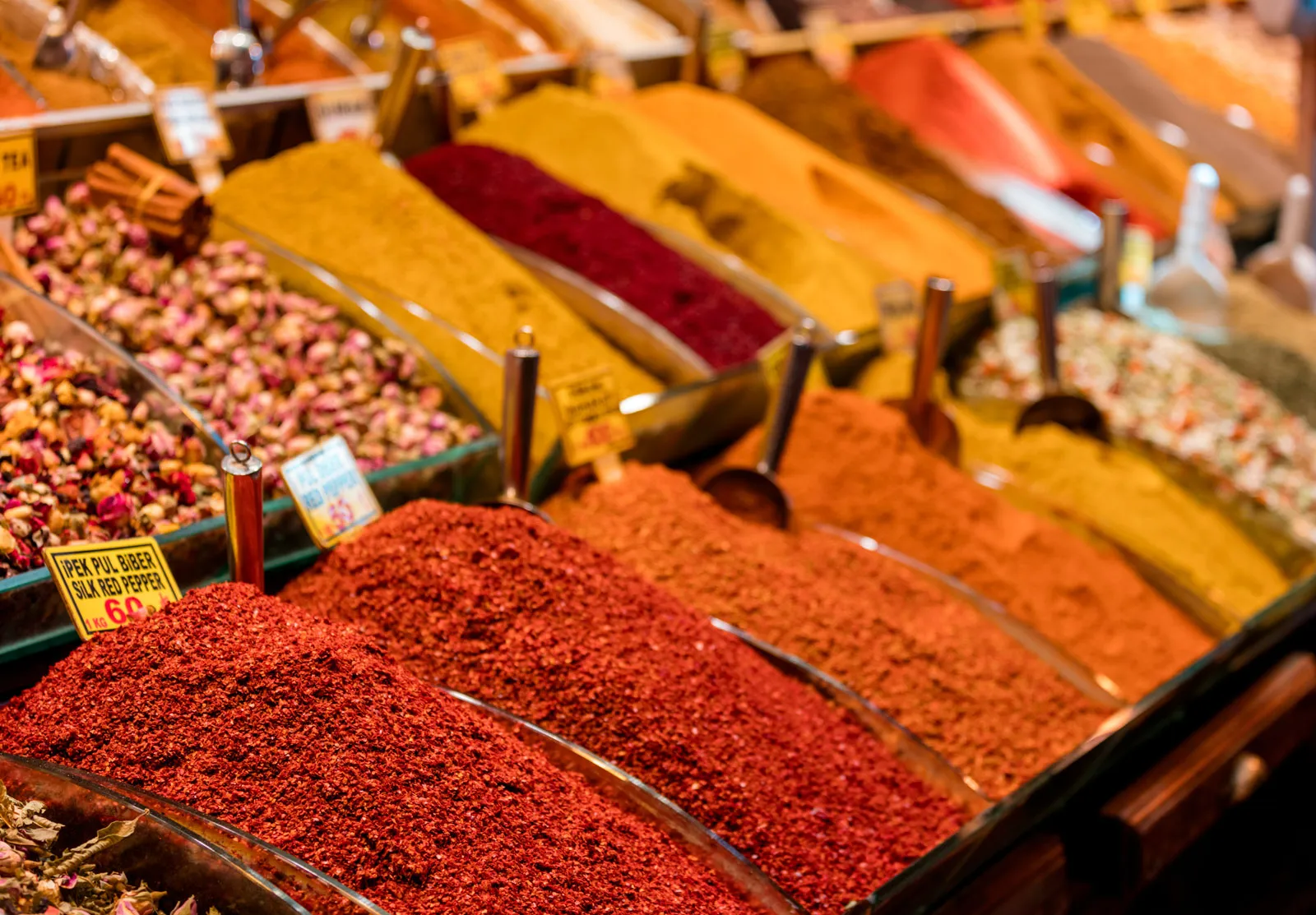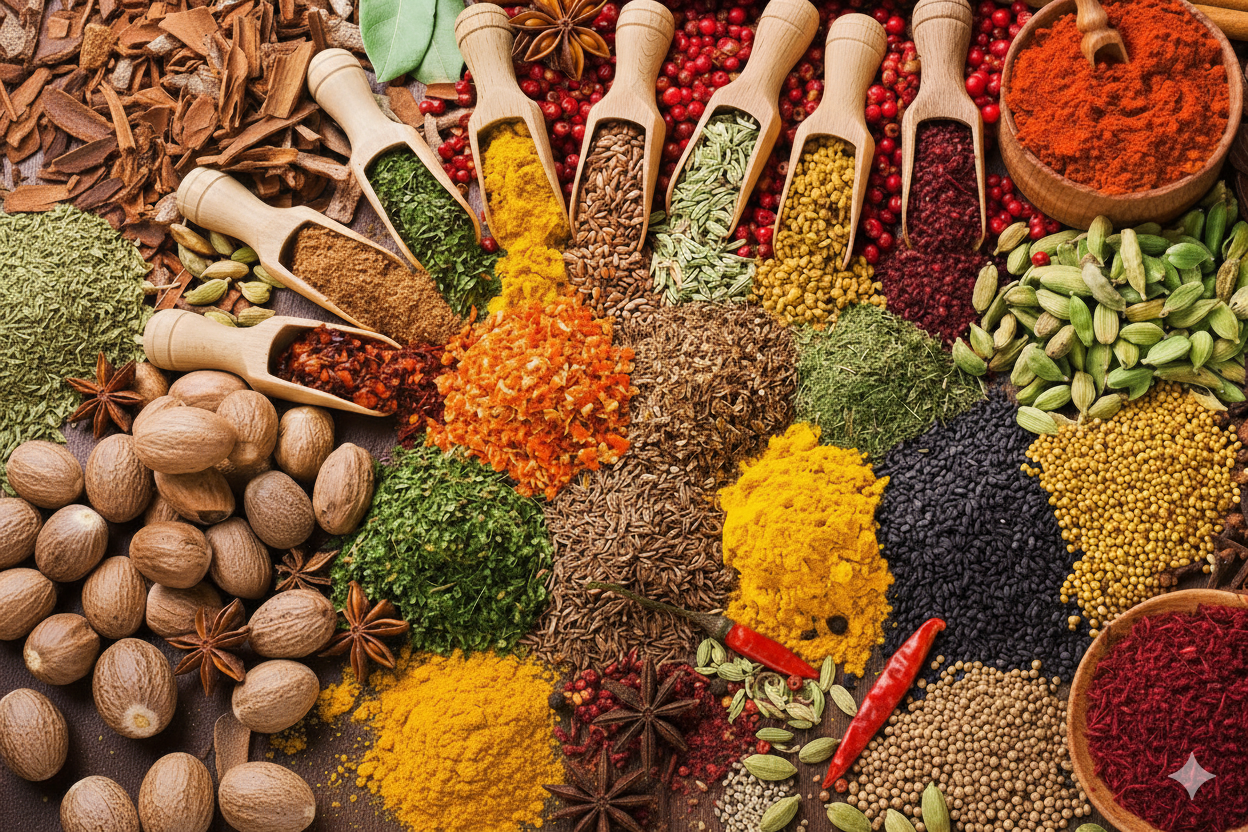


Red Chilli Export from Jodhpur Rajasthan is more than just a spice—it’s a global commodity with huge demand in kitchens, food industries, and pharmaceutical markets. Among India’s top chilli-producing regions, Jodhpur, Rajasthan has carved a strong identity as a hub for premium red chilli exports. Known for its vibrant color, fiery taste, and high pungency, Jodhpur red chilli enjoys global recognition.
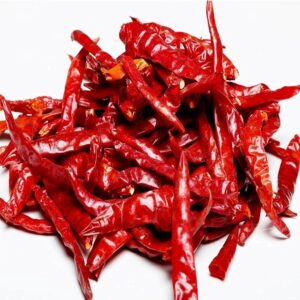
History of Red Chilli Cultivation in Rajasthan
Chilli farming in Rajasthan dates back centuries. Initially introduced through trade routes, red chilli became a staple crop due to the dry climate and hardy soil. Over time, Jodhpur farmers perfected cultivation methods, making the region one of India’s key chilli suppliers.
Geographical Advantage of Jodhpur
Jodhpur’s semi-arid climate, hot summers, and well-drained sandy soil provide the perfect environment for chilli crops. The low humidity prevents fungal diseases, ensuring higher yields and longer shelf life. This natural advantage makes Jodhpur chillies superior in quality compared to other regions.
Types of Red Chilli Grown in Jodhpur
-
Teja Chilli – Known for high heat and deep red color.
-
Byadgi Chilli – Mild spiciness but vibrant color, often used for extracts.
-
Hybrid Varieties – Adapted to local conditions, combining pungency and high yield.
These varieties are popular in international markets for their strong flavor and unique color retention.
Nutritional and Medicinal Value of Jodhpur Red Chilli
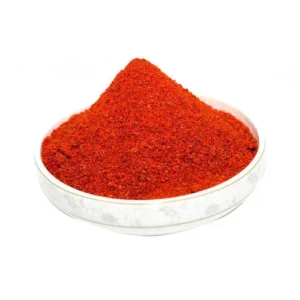
Red chillies are packed with vitamin C, vitamin A, and antioxidants. Capsaicin, the compound responsible for spiciness, is used in pain relief creams and pharmaceutical products. Jodhpur chillies are also used for making chilli powder, sauces, and oleoresins.
Farming Practices in Jodhpur
Farmers here use both traditional and modern methods:
-
Sowing: Seeds are planted in nurseries and later transplanted.
-
Irrigation: Drip irrigation is common to save water.
-
Fertilization: Both organic manure and chemical fertilizers are used.
Organic chilli farming is gaining popularity as international buyers demand chemical-free produce.
Harvesting and Processing of Red Chilli
Chillies are harvested once they reach maturity—bright red and firm. After harvesting:
-
They are sun-dried for several days.
-
Grading is done based on size, color, and pungency.
-
Chillies are stored in jute bags or cold storage to retain freshness.
Quality Standards for Export
International buyers demand strict quality compliance:
-
Low moisture content (below 12%).
-
No pesticide residues.
-
Proper packaging to prevent fungal growth.
Jodhpur exporters ensure these standards are met to maintain their reputation in global markets.
Export Process from Jodhpur
Exporting chillies involves:
-
Farmer supply to processing units.
-
Cleaning, grading, and packaging.
-
Export documentation—APEDA certification, phytosanitary certificates.
-
Shipping through ports like Mundra and Kandla, which are close to Jodhpur.
Top Importing Countries
Jodhpur red chilli is exported to:
-
USA – For sauces and spice blends.
-
China – For oleoresin extraction.
-
Middle East – For traditional cuisines.
-
Europe – For packaged spices and food industries.
Economic Importance of Red Chilli Export
The chilli trade provides direct income to thousands of farmers in Rajasthan. Jodhpur’s spice market also generates employment in sorting, packaging, and logistics. The region’s chilli export contributes significantly to India’s spice export revenue.
Challenges in Red Chilli Export
-
Climate risks like drought and unseasonal rains.
-
Price volatility due to international demand-supply.
-
Competition from Andhra Pradesh and global markets.
Despite these challenges, Jodhpur maintains its export strength through quality and reliability.
Government Support and Policies
The Indian government supports chilli exports through:
-
APEDA (Agricultural and Processed Food Products Export Development Authority).
-
Subsidies for cold storage and packaging.
-
Training programs for farmers to adopt modern techniques.
Future of Red Chilli Export from Jodhpur
With the rising global demand for organic spices, Jodhpur farmers have opportunities to expand. Investments in processing technology, branding, and direct trade platforms can make Jodhpur the undisputed leader in red chilli exports.
Conclusion
Jodhpur, Rajasthan, is not just producing chillies—it is exporting tradition, flavor, and quality to the world. With its rich farming heritage, favorable climate, and growing global demand, the red chilli export from Jodhpur is poised for even greater success in the years to come.
FAQs
1. Why is Jodhpur famous for red chilli?
Jodhpur is known for producing high-quality red chilli with strong pungency and bright color, ideal for exports.
2. What is the export quality of Jodhpur red chilli?
It meets international standards with low moisture, high pungency, and safe packaging.
3. How can a buyer source red chilli from Rajasthan?
Buyers can connect with exporters in Jodhpur spice markets or through APEDA-certified suppliers.
4. What are the main challenges in chilli farming?
Unpredictable weather, pests, and international competition are the biggest challenges.
5. Which country imports the most chillies from Jodhpur?
China, the USA, and Middle Eastern nations are top importers.